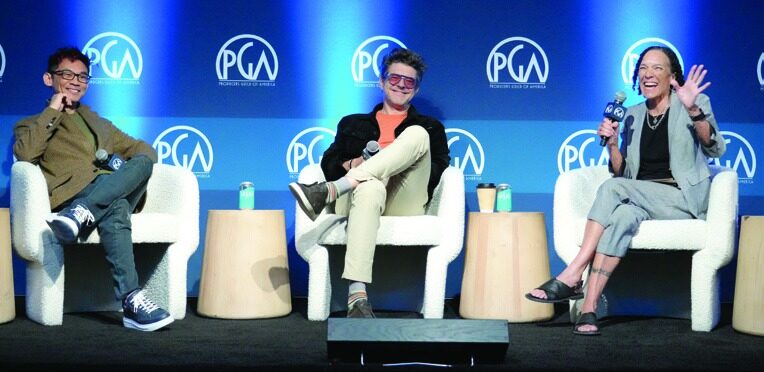
With horror topping the box office and at the top of the collective industry’s mind, no doubt many producers who never considered the genre are giving it serious consideration. To help producers get a better grasp on what this could look like for them, Produced By brought together two powerhouses who have been successfully producing in this space for years.
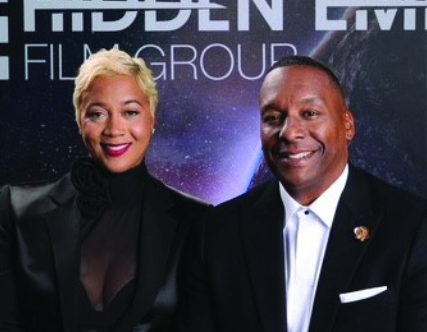
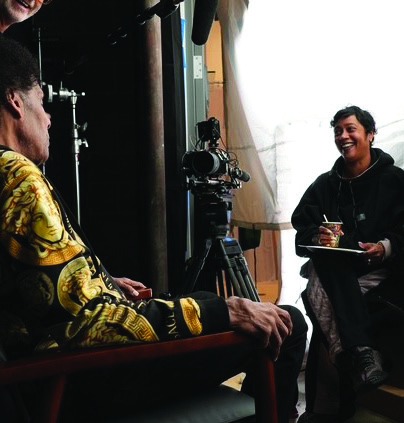
Roxanne Avent Taylor is the co-CEO of Hidden Empire Film Group, an entertainment company spanning film production, distribution, marketing and social impact initiatives. Under her leadership, Hidden Empire has financed, packaged, and distributed original films that have generated more than $300 million in revenue, with multiple projects debuting in the top five at the box office through innovative grassroots marketing and distribution strategies.
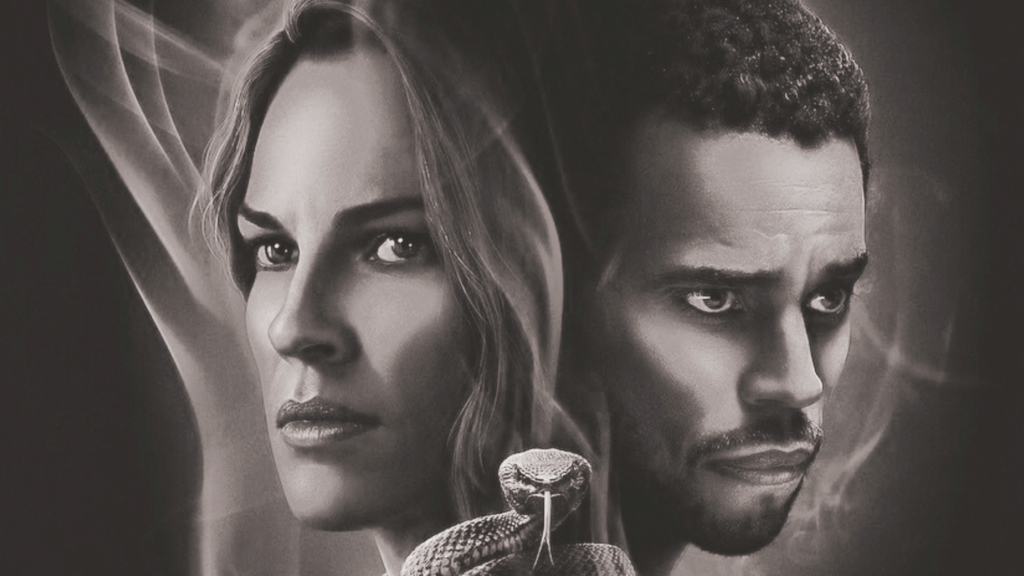
Avent Taylor’s producing credits span a range of horror features including Fatale, which reached No. 1 on Netflix; The Intruder; Black and Blue; 000; Traffik; Meet the Blacks; and The House Next Door: Meet the Blacks 2. Her upcoming projects include Blacula, Freedom Ride, Free Agents and documentary projects centered on Floyd Mayweather and Pee-Wee Kirkland.
Avent Taylor cofounded Hidden Empire with her husband, filmmaker Deon Taylor, building the company into a force for culturally relevant storytelling and independent filmmaking. Beyond entertainment, her work has driven social impact initiatives. Traffik raised awareness around human trafficking, and Be Woke. Vote nabbed a Webby Award for its civic engagement campaign.
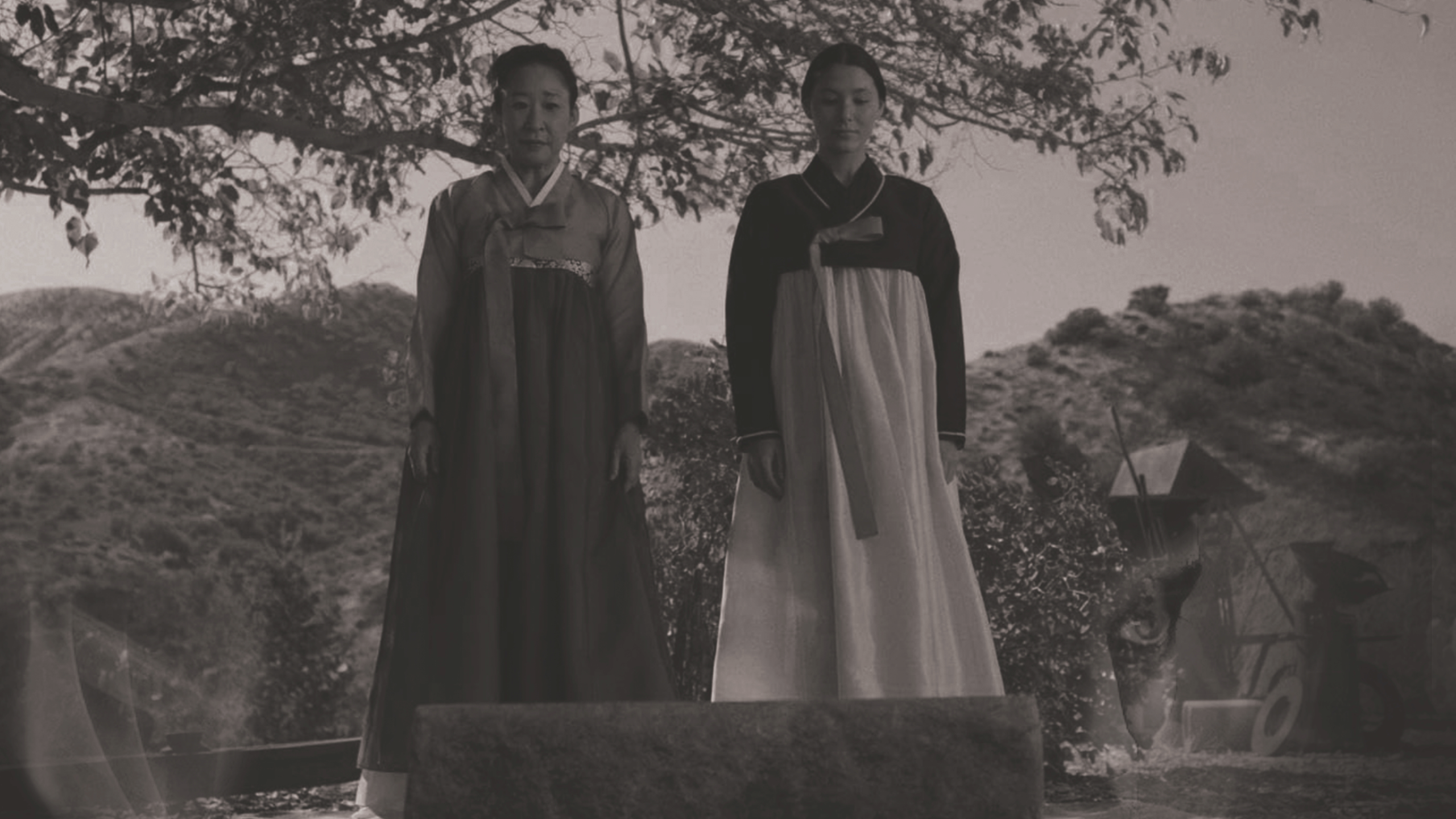
Producer Zainab Azizi, a first-generation Afghan American, shares Avent Taylor’s passion for telling original stories and elevating women and underrepresented voices, both in front of and behind the camera. Her producing credits include Umma, a supernatural horror film starring Sandra Oh for Sony Pictures; 65, a sci-fi thriller starring Adam Driver for Columbia Pictures; and the action-comedy spectacle Boy Kills World.
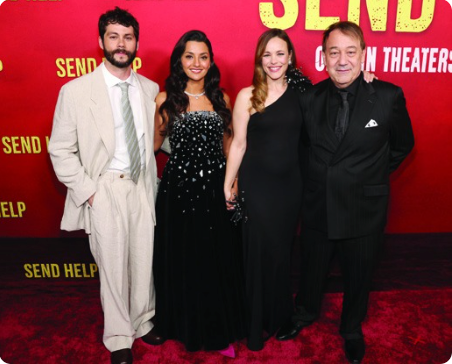
Azizi also produced the Netflix thriller Don’t Move, which became the No. 1 film in 83 countries on the platform, and Locked, a psychological thriller starring Anthony Hopkins and Bill Skarsgård, which is available on Hulu. Her most recent release is Send Help for 20th Century Studios, starring Rachel McAdams and Dylan O’Brien, directed by Sam Raimi. Up next for Azizi are Crawl 2 for Paramount and Sam Raimi’s next directorial feature, Magic, for Lionsgate Studios.
Here, these mavens of horror discuss what the genre means to them, the methodology behind putting these types of projects together, and the myriad opportunities that open up when one puts aside their fears to pursue originality.
The What Of Horror
What does “horror” mean to you? How do you define the genre and the types of stories that fit within it?
Zainab Azizi: My love for horror started when I was 6 years old. A relative gave away a box of B-horror films on videotape, and the first one I ever watched was Peter Jackson’s Dead Alive. I completely fell in love with it, because it was horror, comedy and romance.
I kept exploring more of these VHS tapes and one of them was, funnily enough, Sam Raimi’s Evil Dead. He is now my producing partner.
One thing I’ve always loved about the genre is that when you watch an amazing horror film, you have to get all your friends to go watch it. It’s such a communal experience to be in a dark theater or be in a dark room with everybody sharing this emotion, the dread, the comfort. What makes it stand apart from a comedy or romance, for example, is that it’s a fun community experience.
Roxanne Avent Taylor: For sure. That’s why I’m so excited about theaters being back on 100%. Going to the movies is an event. It’s an experience. I love sharing that with friends and family.
My first experience with horror was Children of the Corn. I was terrified! I could never get past the first 10 minutes as a young girl. I watched it again when I was older, and it’s not even scary. (Laughs.) But there are so many levels to horror, whether it’s the psychological thrillers, the slasher horror of it all, the Sevens of it all—just so many different types of horror.
The one thing that stands out for me about horror is the fear. The best horror exposes the deep truths, whether it’s trauma, guilt, injustice, or the consequences. Depending on who we are and what we’ve gone through, sometimes the monster is just a reflection of humanity. I think that great horror stays with you because it says something beyond the scares. As the consumer, you’re locked into what that is.
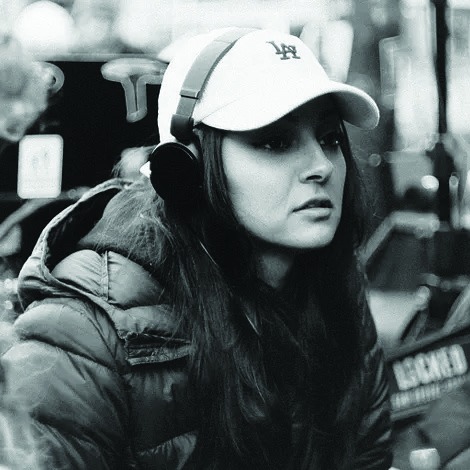
“It’s such a communal experience to be in a dark theater or be in a dark room with everybody sharing this emotion, the dread, the comfort.”
—Zainab Azizi
The How Of Horror
Do you approach producing horror projects with a different mindset or methodology from those in other genres? Do you turn into a different type of producer when it’s a horror project in contrast to other genres?
Azizi: The unique thing about horror is that there’s no set formula. No instructions for what’s scary, what’s not scary. So as a producer, the most important thing for me is originality, and number two, the director’s vision. Those two ingredients are what I look for when it comes to attaching myself as a producer. Making sure it’s original, and making sure the studio or the financier and I are all on the same page with the director, because the creative vision is so important, as it is when producing every genre. It’s a collaboration, right? In terms of production, sound design is instrumental in horror. When I’m in the theater, some people close their eyes and some people close their ears because the sounds alone are terrifying.
Avent Taylor: 100%. You have to have that sound design and the right pacing for it. The anticipation and the buildup with the sound is everything.
Horror is definitely a trend now. All the movies coming out are horror movies. But I think it requires incredible discipline in the script, with the pacing, with the sound, with the production design and the effects. How real are your kills? I really make sure that it’s super authentic to what it is that we’re trying to tell in the story.
Horror transcends cultures and countries. Everybody knows what’s going to happen when you pick up an axe. Sometimes comedy doesn’t transfer, or action doesn’t transfer if it’s, like, a football movie. But horror transfers in all ways. The horror audience is sophisticated. They reward you for the originality of your story. The success of Backrooms and other recent horror films is mind-blowing proof of that.
I love creating that monster and seeing it come to life. I love the originality of creating your own IP and a new, fresh story.
It’s always interesting to see how production companies shift their business models in response to trends. But you can’t be chasing everything in that arena, because that’s not a good use of anybody’s time or energy, right?
Avent Taylor: Yes. We’re always reinventing ourselves as producers and trying to follow the marketplace. But you love what you love, and you’re passionate about what you’re passionate about, so sometimes it’s hard to take that leap of faith to go in a different direction that’s not comfortable for you. But I’m very proud of these new creator-led ways of storytelling, that we’re being more open-minded with where these stories are coming from. I think that’s a testament to how Hollywood is evolving.
Our responsibility as producers isn’t simply getting movies made. It’s building these stories, these characters, and the worlds they live in. Horror has produced some of film’s most valuable franchises that are being rebooted every day, which is incredible. I’m excited to help shape what the next generation looks like, and I hope that I get to be a part of it.
What are the nuts and bolts of developing, packaging, financing and distributing features and series in the horror realm? What considerations—budget, setting, story—factor into a decision about whether you’re going to produce a horror project?
Avent Taylor: Before I even get into anything, I always try to answer the question “Who is my audience?” The audience comes for the concept, the scares, and the execution of all of that. Then your concept, your strong hook, your clear mythology and franchise potential are always important. I think we all would love to have some sort of merchandising component, which can be a whole other revenue stream.
With the packaging, I think it’s the same with every movie: the director, the writers, the cast, the visual effects artist. The sales strategy is pretty much the same for every movie, too.
With the financing, I’ve always lived in the independent space, so pretty much all of our projects have been under $5 million. We’ve never had the luxury of having big budgets. We’ve had to raise all of our own financing. Traditionally, we’ll go get that, then we shoot it, and then we go find a distribution partner. Sometimes that involves tax incentives or rebates.
I look at it like, OK, if I make the movie for $5 million, I go out on 900 to 1,500 screens, we put $10 million in P&A, then my number’s $15 million. I try to ensure that I have a really great strategy so that I can clear that with the box office for the most part by creating amazing hype for all the different windows to drive that price point.
So far, we’ve been really successful about getting everybody paid back—our equity financers, the P&A—then putting money in people’s pockets, because traditionally, everybody’s working for scale. They believe in the project and then they participate in the back-end success. It’s really important for me to make sure that I can do that full 360 with my partners and my team, so we can go back and do it again.
Azizi: We’ve done both studio and independent. The studio films have budgets that are $15 million and up. I’ve done a sci-fi horror thriller that was over $60 million, but then, I’ve also made an independent film for $5 million. For me, it’s more about the concept, the story and the characters. I go from that to asking who the right filmmaker will be, then work from there.
Budgetwise, I’m not married to making something independent or studio. I love the smaller indie budgets, because I think there is a little bit more creative freedom, even though we have financial restrictions. Sometimes, the higher the budget with the studio, the more restrictions creatively.
It also depends on who the audience is and whether it’s a first-time filmmaker. A lot of studios are afraid to invest in a first-time filmmaker. If that’s the case, then I’ll make the film independently.
Roxanne, you mentioned the universality of horror and how it translates across audiences, language barriers and geography. Has that fact opened up any new paths of financing or distribution?
Avent Taylor: For me, it’s the international component, with both investors and distribution. A lot of investors follow trends. Although I’ve always done horror, the trend now is who has the next best horror franchise or the next best original idea of what horror looks like. On the international side, you can look at Black horror, Latino horror, Asian horror, African horror—it opens up more original stories and content in different markets and cultures.
It’s really hard to raise money, and like I said, investors follow these trends. Because our price points are low, we’re able to present an undeniable package, and that’s what excites them. It’s showing them how they’re going to get their money back, so that package has to be really strong. A lot of investors are not really creative. They’re finance people, and for them it’s really more about the economics than the actual story. On the distribution side, it has to hit all those boxes for them to be able to market the film and get talent on any couch to talk about it.
The Who And Why Of Horror
In your experience, has horror opened the door to types of stories and voices that don’t get the screen time they deserve in other genres?
Azizi: Definitely. The first horror film I produced was called Umma, starring Sandra Oh. It explored themes of cultural identity, mental health, abuse in families and what it means to be first-generation Korean, but I wanted it to be relatable for anyone who was first-generation anything.
It would have been very, very difficult to pitch a drama that was just that alone, especially with an all-Asian cast. But because it was a horror film, and there’s such an appetite for horror films, I thought it would be easier making it versus a straight drama. That’s the beauty of horror films. We uncover other human themes, whether it’s grief or isolation or the unknown. Horror is a great driving force to carry on all of these different themes.
Avent Taylor: It’s a philosophy of creating myths rooted in social, cultural and emotional themes. You can tap into different worlds. For example, the theme of our forthcoming film is based on how we demoralize each other in the Black community, and the stereotypes of bashing each other. Due to generational trauma and community guilt, we as Black people tear each other down. The film homes in on the stereotypes of the Black man wearing the ski mask and the gold teeth and the (Nike) Air Force 1s, which represent in the hood that you’re a straight killer. Playing on these mythologies gives it a really interesting perspective.
You can also break talent in horror. With other types of films, studios and distributors want you to have some sort of leading man or leading lady with box office value. With horror, it’s really just about the story, and you don’t have to be so worried about getting the best cast that is quote-unquote “of value” for the distributors. You can run your own race, and you can do it at a price point that’s reasonable for success.
With horror, you get to be more creative and give people chances who don’t usually have opportunities in front of and behind the camera. I’m an advocate for giving people opportunities who normally wouldn’t have them, and I think horror lends itself to that.
“With horror, you get to be more creative and give people chances who don’t usually have opportunities in front of and behind the camera. I’m an advocate for giving people opportunities who normally wouldn’t have them.”
—Roxanne Avent Taylor
Azizi: The horror boom with Obsession and Backrooms is really exciting. It has more people talking about original ideas. There are a few things I wish this boom would do. Most importantly, I want it to support more female filmmakers. I wish people would take more chances on female directors, whether they’ve been in the business for a while, or are up and coming. I want financiers to invest more in them. I know everyone’s excited about finding the next YouTube or TikTok star, but I wish we could focus on having more female directors.
Avent Taylor: I agree with that. The female producer’s perspective on leadership, financing, strategy and the creative is equally important. I think the storytellers behind all this horror should reflect the diversity of the audiences experiencing it. We’re in a male-dominant business, so it’s hard to get around that, but if we can empower more women and lift them up with this boom, that would be amazing.
The next generation of horror franchises is coming from original creators who haven’t historically had opportunities to define the genre. Audiences are looking for that new monster and new perspective. That’s why I think the boom is happening, because it’s the space that we’re investing in. Will it also pass? Probably. But I’m excited for anyone who’s able to get a movie made, whatever the boom or the trend is. If you can ride the wave, great!
Hopefully we continue to see the drive in horror, and it allows other voices and filmmakers to be seen and heard, which has been proven with these last few horror movies by YouTube creators. It’s been the usual suspects in the film business getting the opportunities to make movies, but I think horror allows anyone to tell these stories. It’s allowing storytellers to come in with no experience, and it’s proving that they can also win.
Azizi: I agree that it’s also about having more female producers. My favorite on-set experiences have been when I’ve had other women surrounding me. On my last three films, I’ve promoted three female producers. We need more of that. All these horror movies are centered around a woman, but typically—and I don’t know if this is the same for you, Roxanne—when I’m in a development or a production meeting, I’m the only woman in that Zoom box. I hope that changes.
Avent Taylor: Absolutely. I hope so too. I love your energy behind that, Zainab. I’m trying to figure out how I can create some sort of mentorship, platform, or studio around this like Participant did with social impact. How come we haven’t created a studio or a system for female-led content, women in front of the camera, and women behind the camera? It would be so amazing to create a woman-led studio that focuses on uplifting the woman’s voice and gives women an opportunity to tell their stories.
Women drive the box office. We’re the ones buying the tickets, we’re the ones pulling our husbands along, we’re the ones bringing our girlfriends, and we’re the ones taking our kids. How do we band together and do this?
Azizi: And all the horror films that we watch, most of them are about women.
Avent Taylor: Exactly. You’ve got the panicked girl running around in the wet T-shirt, the pretty girl in danger. We are the focal point of the film aside from the killer.
Azizi: Or the killer is a woman, which was the case in my last film, Send Help.
Have you encountered financiers or other decision-makers who believe that women can’t produce good horror? Have you had to fight as a woman producing these types of projects, especially while also wanting to put forth female voices?
Avent Taylor: I think that applies across all genres. It’s tough, but you’ve just got to be bold, even when you don’t want to. We’ve got to be as confident as we can when we walk in the room, and know that our value, our input, our track record and the work that we’ve done is superior. You also have to not be afraid to share your opinions, share your truths and stand up to whoever may challenge you.
Because it is a male-dominated business, we can feel a little intimidated sometimes. But our value is just as important as everyone else’s in the room. We just need to support each other to make sure that we’re heard and seen.
Azizi: That’s right. Lead with confidence, lead with power, lead with collaboration and lead with kindness.